

We work at the intersection of electrochemistry, microbiology, and engineering to achieve a sustainable energy-water infrastructure, and environmentally sustainable production of chemicals.
1 – Energy neutral water treatment
Around 600 billion kWh of energy are contained in the organic matter of the 300 billion m3 per year of domestic wastewater generated worldwide considering an average energy content of 2 kWh m–3, making the recovery of the energy contained in these waste streams a compelling opportunity to achieve a circular economy and diminish the high energy cost of wastewater treatment. Microbial fuel cells (MFCs), microbial electrolysis cells (MECs), microbial electrosynthesis (MES) cells can recover the energy contained in the wastewater and transform it in electricity (MFCs), hydrogen (MECs) or valuable products (MES) such as methane, acetate, or other organic molecules. We are primarily working on bringing these electrochemical cells out of the lab, operating in real condition at a commercial scale. Coupling electrochemical engineering, microbiology and environmental engineering, we developed, installed, and operated the largest air cathode MFC, producing useful electricity while treating domestic wastewater.
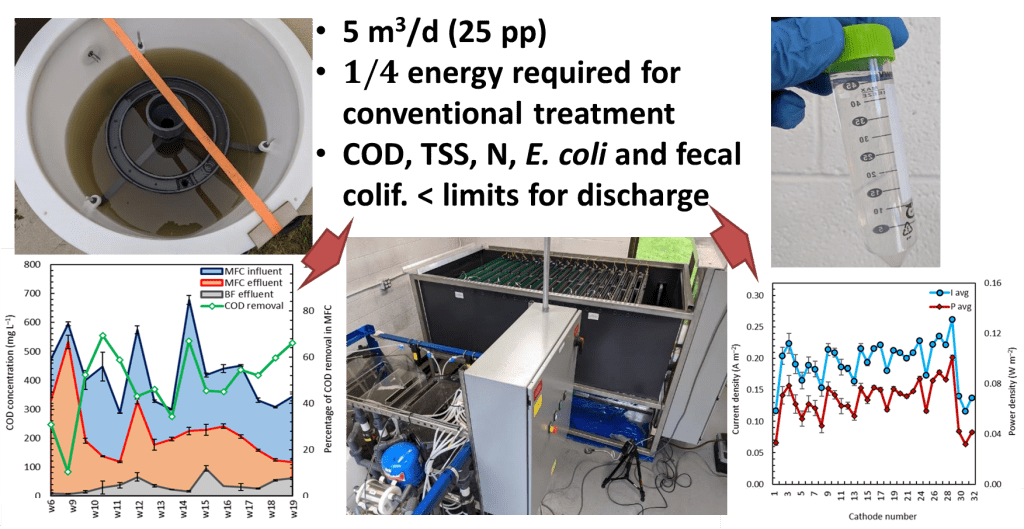
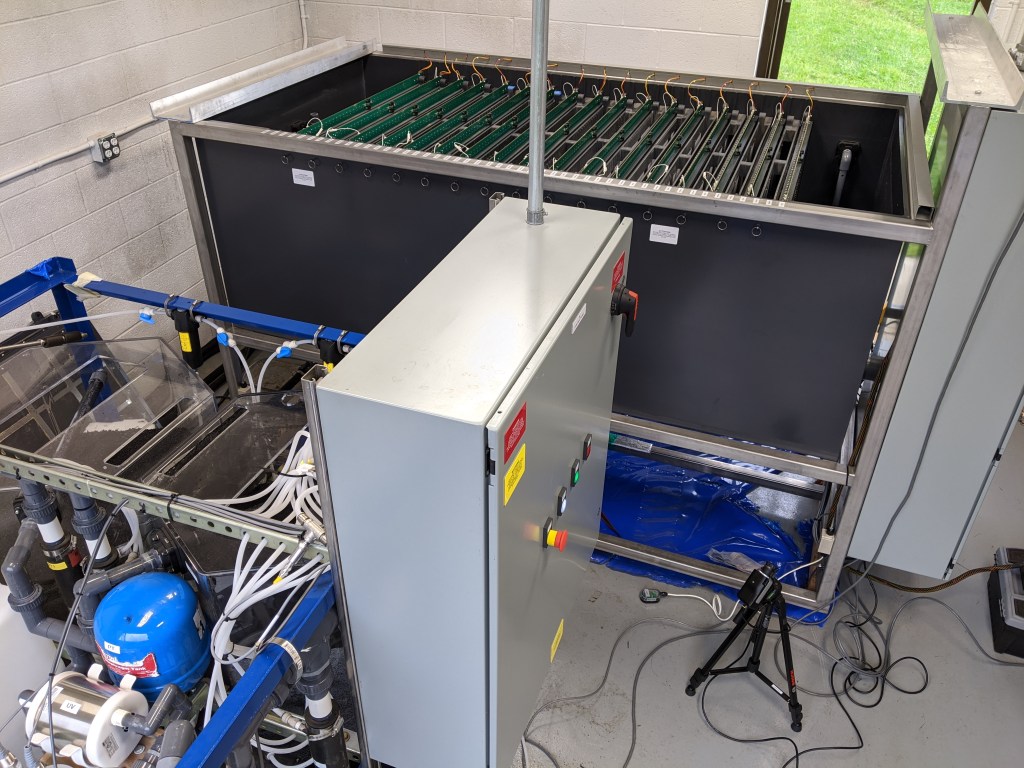
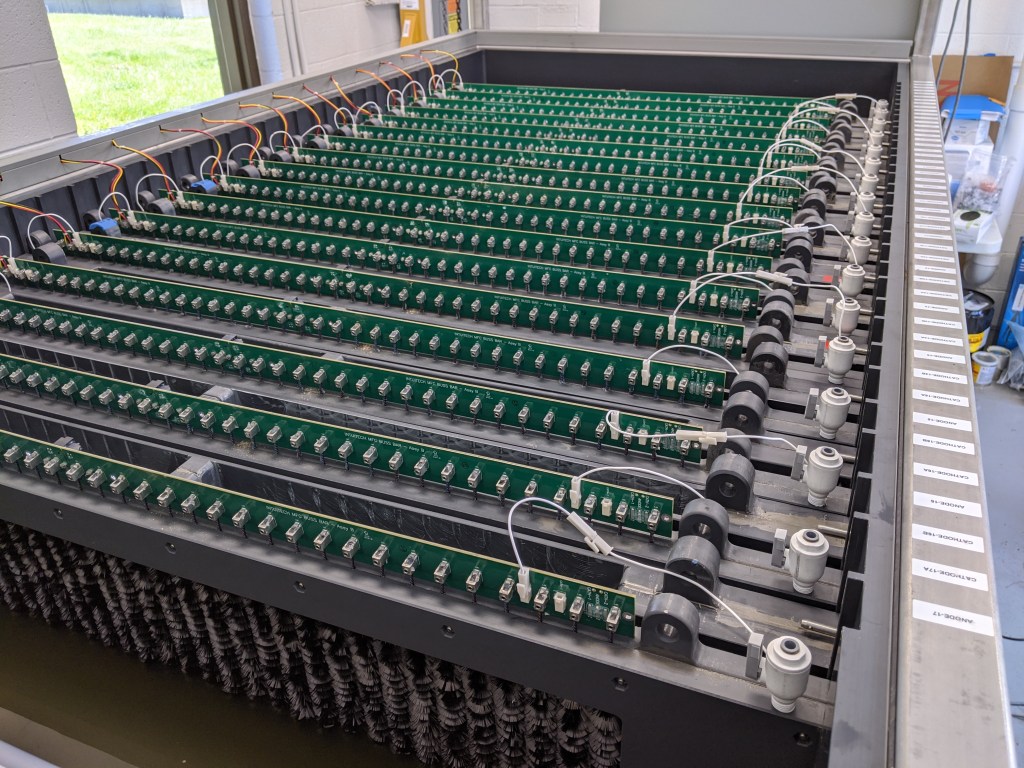
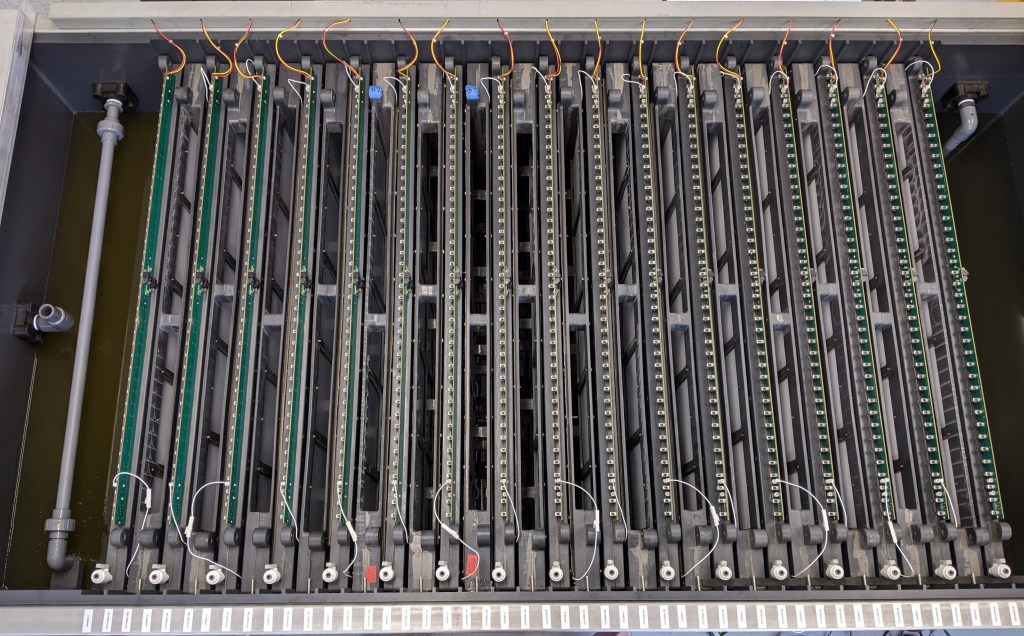
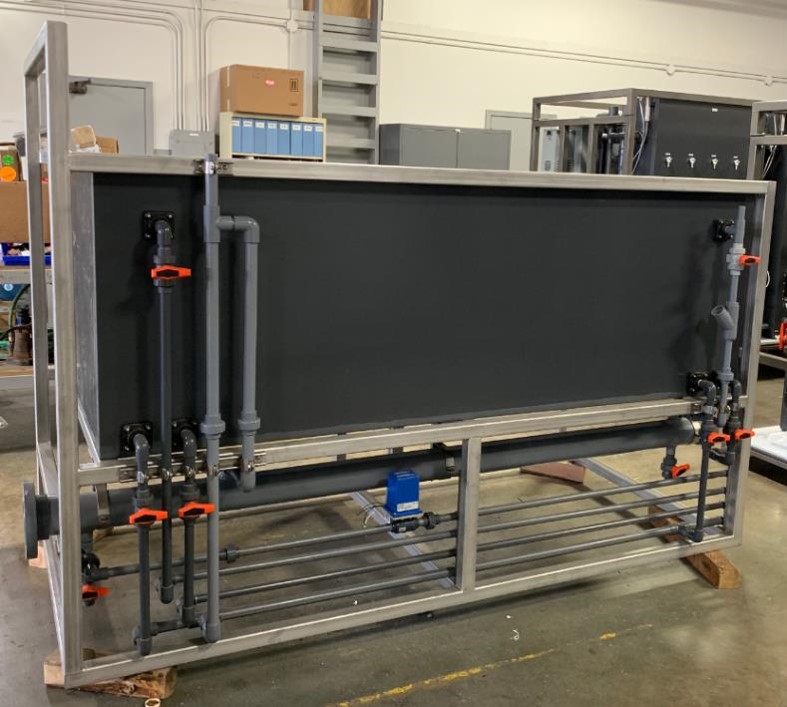
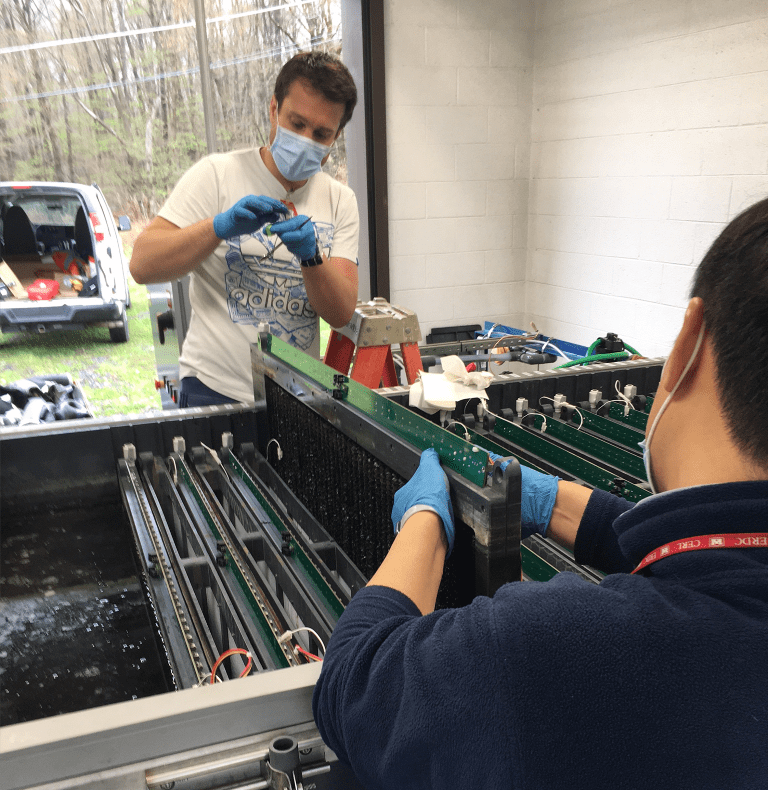
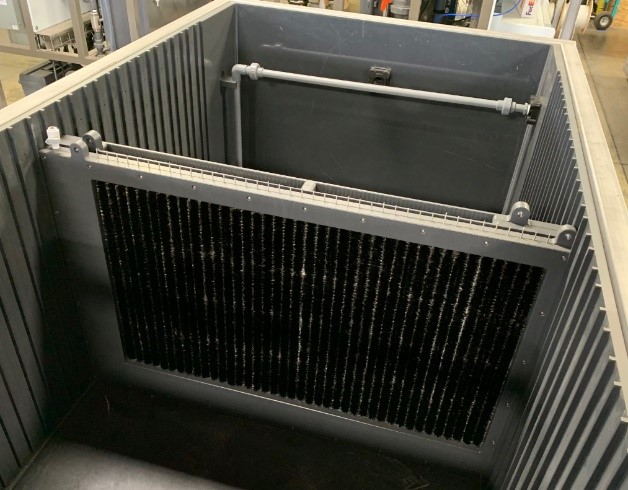
- Rossi, R.; Logan, B.E. Impact of reactor configuration on pilot-scale microbial fuel cell performance. Water Research, 2022, 225, 119179.
- Rossi, R.; Hur, A.; Butkiewicz, J.; O’Brien, A.; Page, M.A.; Jones, D.W.; Baek, G.; Saikaly, P.E.; Cropeck, D.M.; Logan, B.E. Pilot scale microbial fuel cells using air cathodes for producing electricity while treating wastewater. Water Research, 2022, 215, 118208.
- Rossi, R.; Jones, D.W.; Myung, J.; Zikmund, E.; Yang, W.; Gallego, Y.A.; Pant, D.; Evans, P.J.; Page, M.A.; Cropek, D.M.; Logan, B.E. Evaluating a multi-panel air cathode through electrochemical and biotic tests. Water Research, 2019, 148, 51-59.
2 – Low water consumption energy production
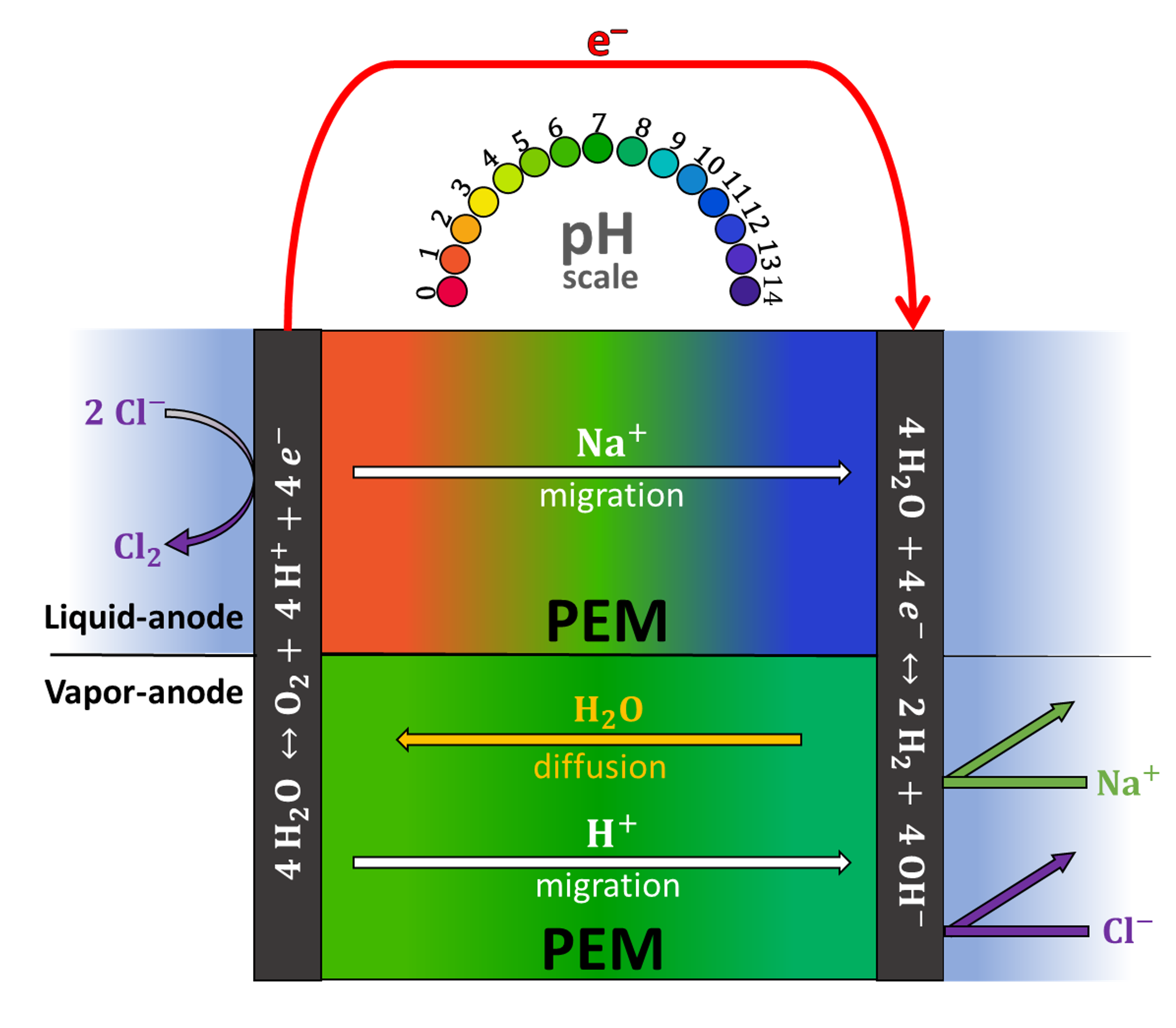
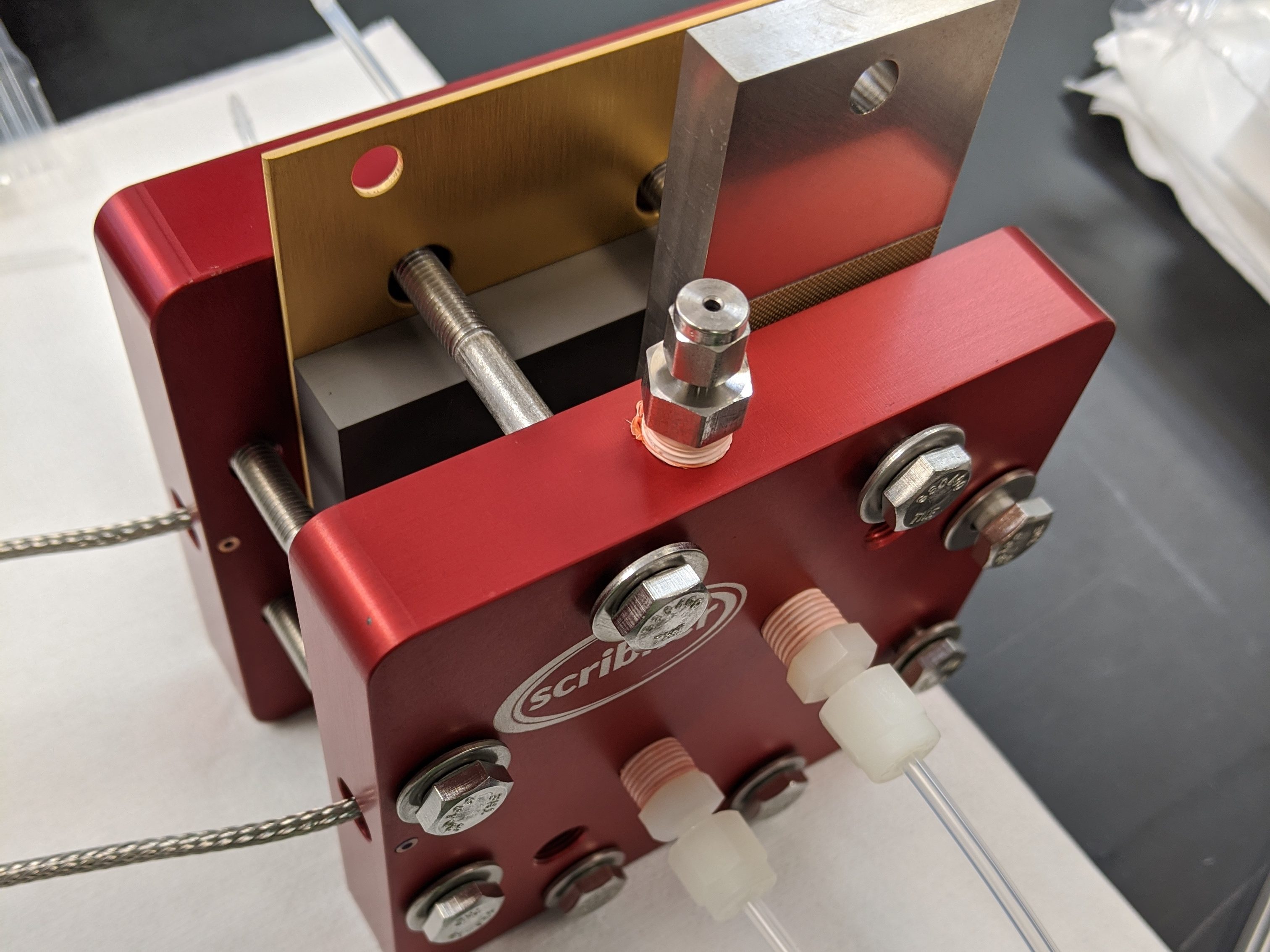
Green hydrogen produced by water electrolysis and powered by renewable energy will play a prominent role in the decarbonization of the energy, chemical, and transportation sectors. To make H2 production by water electrolysis economically competitive to H2 produced from fossil fuels, the costs of membrane and catalyst must be decreased. A second barrier to affordable H2 gas production by water electrolysis is the location of the renewable energy. Offshore and coastal sites are especially of interest for H2 production to link locations with affordable wind or solar arrays with abundant seawater. However, the direct use of seawater as an electrolyte in contact with the anode results in the production of high concentrations of chlorine gas and other toxic chlorinated compounds that can damage membranes. We are developing novel electrocatalysts and electrolyzer configuration to (1) decrease the cost of the catalyst layer and (2) allow the utilization of impure water resources, which will not compete with the water needed for drinking and irrigation.
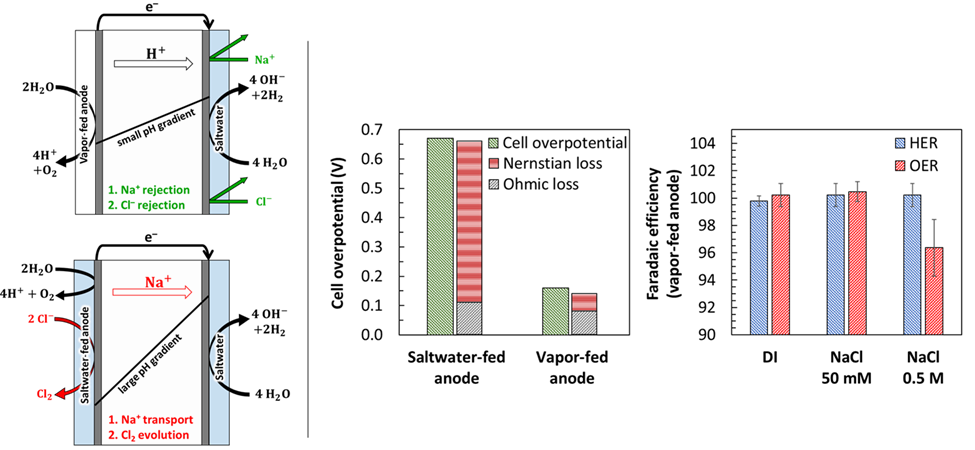

- Rossi, R.; Taylor, R.; Logan, B.E. Increasing the electrolyte salinity to improve the performance of anion exchange membrane water electrolyzers. ACS Sustainable Chemistry & Engineering, 2023, 11, 23, 8573–8579.
- Rossi, R.; Hall. D.M.; Shi, L.; Hickner, M.A.; Logan, B.E. Using a vapor-fed anode and saline catholyte to manage ion transport in a proton exchange membrane electrolyzer. Energy and Environmental Science, 2021, 14 (11), 6041-6049.
- Shi, L.; Rossi, R.; Son, M.; Hall, D.; Hickner, M.A.; Gorski, C.A.; Logan, B.E. Using reverse osmosis membranes to control ion transport during water electrolysis. Energy and Environmental Science, 2020, 13, 3138-3148.
3 – GHG capture and utilization
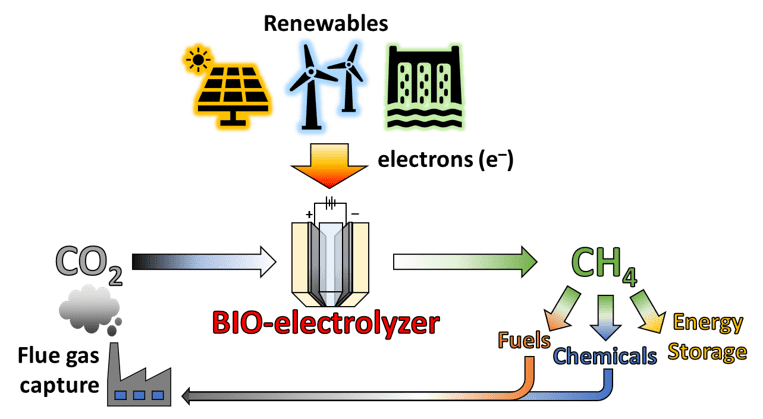
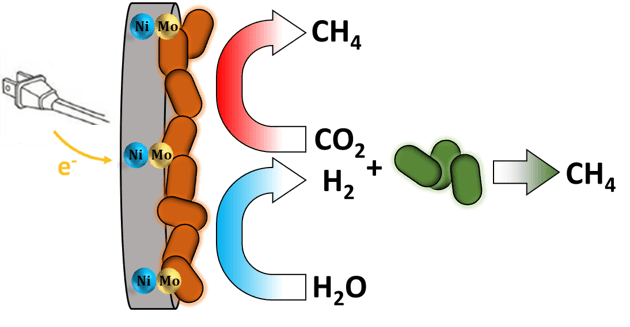
Methane and carbon dioxide are major greenhouse gases than contribute to climate change. Both these molecules are very stable and their poor reactivity limits utilization and transformation in other, more valuable chemical products. We are exploring abiotic and living catalysts to facilitate the production of liquid valuable products from waste CO2 and CH4 feedstocks. On the CO2 side, we are developing novel approaches, aided by AI, to capture and upgrade inorganic carbon in water reclamation facilities, producing volatile fatty acids that can be used as building blocks for the chemical industry. On the CH4 side, we are using methanotrophs and novel abiotic catalysts for the production of C2+ chemicals.
- Yun, N.; Rossi, R. Capturing inorganic carbon from treated water effluent to diminish the greenhouse gas emissions of the water infrastructure, ACS EST Engineering, 2025.
- Baek, G.; Rossi, R.; Saikaly, P.E.; Logan, B.E. High-rate microbial electrosynthesis using a zero-gap flow cell and vapor-fed anode design. Water Research, 2022, 219, 188597.

 Ruggero Rossi Group